Casino Chips Explained: Reading Denominations in the Lobby
After seventeen years writing about iGaming, I’ve watched casino lobbies evolve from clunky flash tables to polished multi-provider halls. Sportsbooks and chip-denominated tables now sit side by side, mirroring regulatory shifts like Canada’s 2021 move to legalise single-event sports betting. Chip denominations remain one of the first things regulars read at a glance, so this guide unpacks how chip values work, why colour codes matter, and how modern lobbies organise games around them. Practical notes at independent review hubs such as acyclovirus.com help separate genuine product detail from marketing fluff.
From the Ridotto to the Modern Lobby: How Chip Values Took Shape

When the Ridotto opened in Venice in 1638, players traded coin and promissory notes for tally tokens that represented fixed values at the felt. That convention stuck because it solved a real problem: speed. Sorted chips let dealers track bets, settle wagers, and keep the table moving without fumbling for change. The same logic now powers every modern online lobby, where chip denominations appear beside every table stake, live bet, and slot spin button.
Colour codes have settled into a recognised pattern over centuries, and they make the lobby easier to scan at a glance:
| Colour | Standard Value |
|---|---|
| White or Blue | $1 |
| Red | $5 |
| Green | $25 |
| Black | $100 |
| Purple | $500 |
In a digital lobby these same colours appear as toggle buttons and stake selectors, so a player can jump from a $0.50 chip to a $500 chip without scrolling through every table. Operators lean on this hierarchy to design their game catalog. They group chip-friendly limits together, then sort providers, volatility bands, and table variants around those stakes. Knowing the colour code means reading the lobby faster, filtering games that match your stake, and avoiding tables that don’t suit your bankroll before you commit a cent.
Casual Spinners: Matching Chip Stacks to Slot Volatility
Casual slot players arrive at the lobby with a small stack of white or blue chips and a simple goal: stretch the session without burning through the balance. Slot volatility is tuned to suit different player types, so the catalog usually splits reels into low, medium, and high tiers. Low-volatility titles eat small chips slowly, medium games trade bigger hits for steadier pacing, and high-volatility slots are the ones that wipe a stack in minutes or deliver a chunky payout that doubles it.
Look for a lobby that labels volatility up front. The better operators let you filter by provider (think Pragmatic Play, Hacksaw Gaming, NetEnt), then narrow by minimum chip value before you ever load a reel. A $0.10 chip player can stick to penny slots, while someone carrying $1 chips can step up to mid-tier reels. Useful lobby signals include:
- Volatility filters in the slot category
- Provider tags for fast scanning
- Minimum and maximum chip stakes listed per title
- Demo mode to test chip burn rates before staking real money
- Search bars and category tags so you avoid scrolling through hundreds of titles hunting for a low-volatility classic that takes a small chip
Live Casino Regulars: Reading Colours and Denominations at the Felt
Live casino players tend to manage bigger chip stacks than slot spinners, often mixing red and green chips on the same hand. A live lobby that segregates chip tiers clearly saves real time at peak hours, and good operators lean on tiered lobbies to keep game discovery fast. Studios from Evolution, Pragmatic Play Live, and Ezugi stream blackjack, roulette, baccarat, and game-show formats around the clock, and the best lobbies let you filter by stake band before a hand is dealt.
Watch how each studio displays chip values. Some overlay the live bet spot with selectable chips in the standard colours, while others let you drag from a stack and stack multiple denominations. The first style suits newcomers reading the felt; the second rewards experienced players who hedge bets across a layout. Either way, a lobby that tags each table with minimum and maximum chip values is a fair go for anyone juggling a $5 chip with a $100 chip in the same session.
Chip awareness stretches past the table too. Players withdrawing through e-wallets often compare Neteller payout timing against the same session’s chip flow, because nothing deflates a stack faster than watching a withdrawal queue crawl while a hand waits.
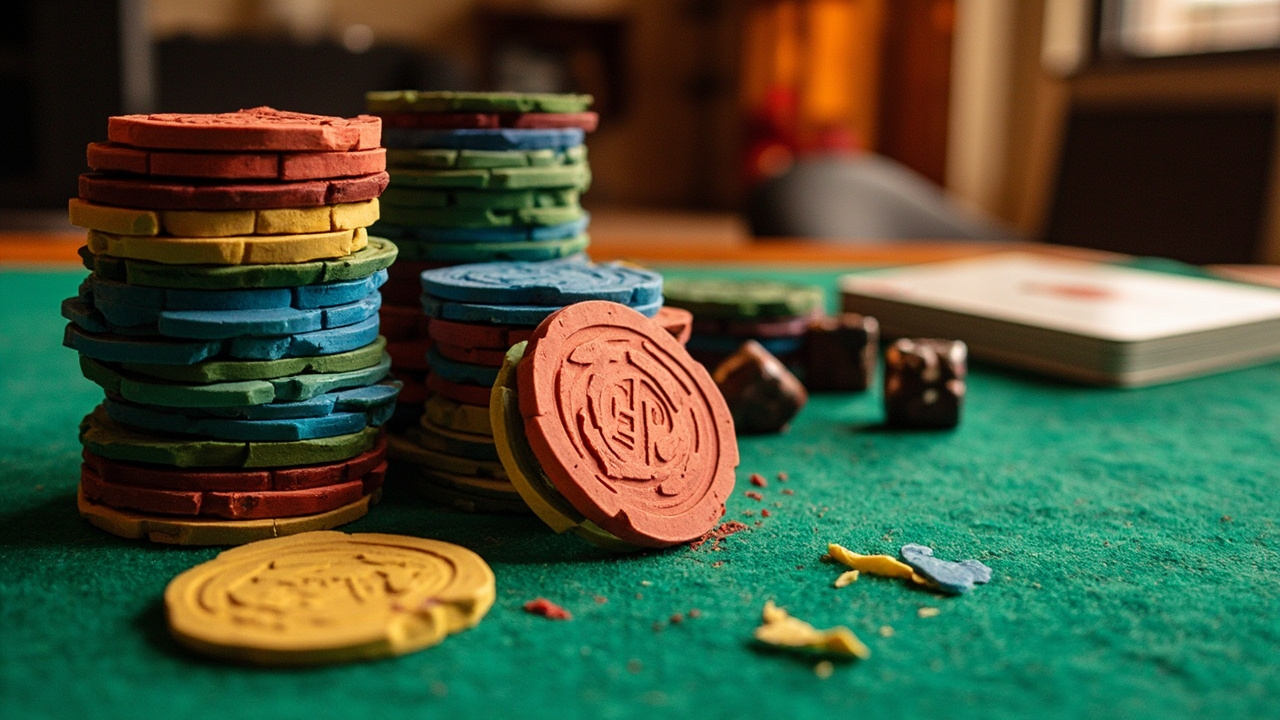
Table Strategists: Organising Your Bankroll Around Chip Value
Table game purists sort chips by denomination before sitting down, so they can hedge, split, and double without counting the bankroll at the felt. A deep lobby of table variants matters here, because strategists want speed between blackjack, baccarat, and poker without rebuilding the chip tower each hand.
Western Sydney players often compare notes at their local RSL between Parramatta and Penrith, then log in for a faster hand at home. A catalogue grouping multiple variants of each game by stake band is a genuine advantage, letting you swap tables when the felt runs cold. Look for Evolution, Play’n GO, and Pragmatic Play Live offering RNG and live versions of the same classic, with chip denominations from $1 green chips to $500 purple.
Smart lobbies support search and discovery the way a serious player works. Filters for side bet availability, dealer speed, and chip minimum narrow the catalog in seconds. After seventeen years reviewing online lobbies, I reckon platforms that bake chip value into their discovery layer save regulars more time than any welcome bonus. The chip denominations in the lobby aren’t decoration; they’re the layout of the table itself.
Casino chips explained properly take the guesswork out of every spin and hand. Reading chip colours, sorting denominations by stake, and matching them to the right volatility band or table variant turns the lobby into a tool rather than a maze. The chips in your stack are the language of the table; the lobby is the dictionary. Learn both, and the catalog reads itself.