The real learning in poker happens when you can make mistakes without losing a cent, and that is exactly why I keep pointing regular players toward poker free play money apps instead of rushing them straight onto real-money tables. You can test a new strategy, watch how a tournament field plays post-flop, or just kill time on a wet Sunday arvo without any financial pressure attached. I have spent more than a decade moving through casino floors, running VIP rooms, and building affiliate networks, so I know the difference between a polished practice tool and a thin demo that only exists to collect emails. The best free-play options feel like a proper training table rather than a gimmick, and that is the standard I apply here.
What Free-Play Poker Apps Actually Do
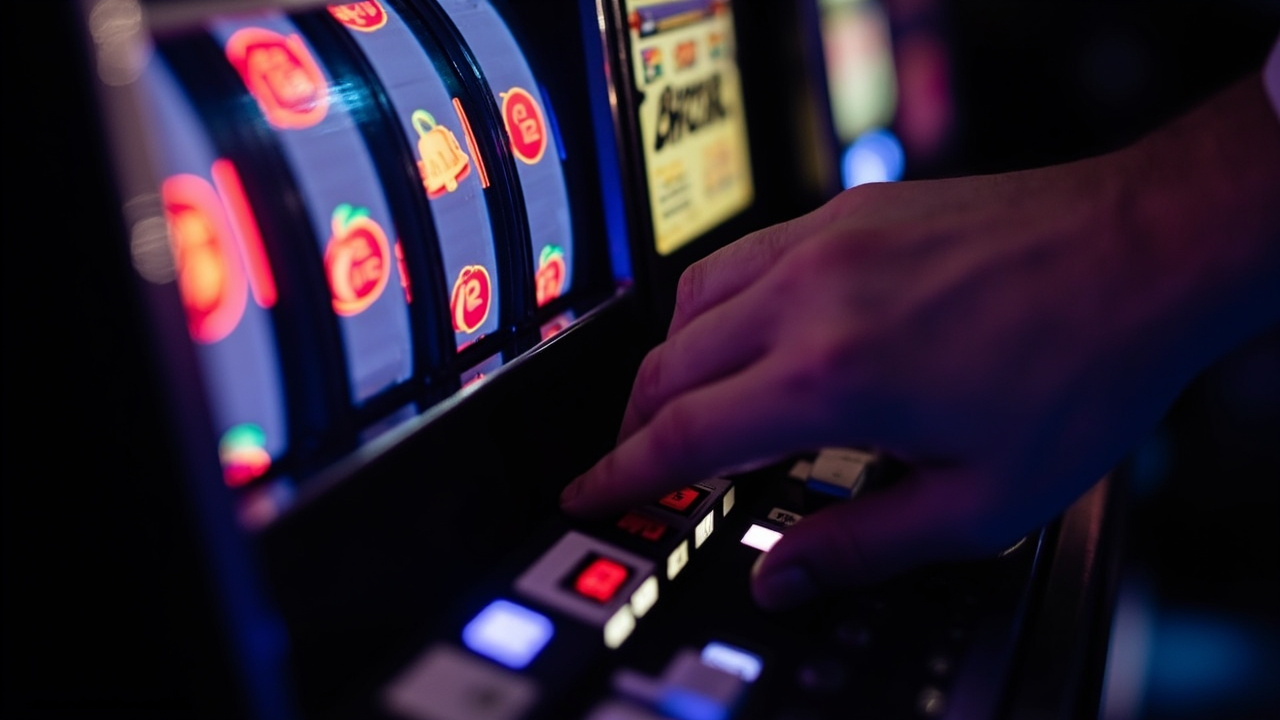
These apps give you a stack of fake chips and a seat at one or more poker variants, usually Texas hold’em and Omaha, with the same hand rankings and betting rounds you would see on a real table. The point is not to simulate a casino bonus or a cashout; it is to let you sit down, make decisions, and watch the results without any real-money consequence. In my time running VIP operations, I saw plenty of regulars who could recite pot odds but still folded the nuts out of habit, and a free-play table is often the fastest way to break that kind of muscle memory. A decent app will let you join sit-and-gos, cash-game tables, or short tournaments, and most will let you switch between fast and slow dealing speeds so you can actually think instead of just clicking through a queue of hands. You should treat the fake chips as a measuring stick, not a prize, because the value is in the repetition and the feedback, not in building a pretend bankroll that has no connection to reality.
For players seeking a deeper dive into these virtual tables, there are dedicated platforms that host community tournaments and structured play. You can access these features by visiting the clubhouse casino login app australia, which serves as a central hub for enthusiasts. This approach ensures you keep refining your strategy while enjoying the social aspects of the game.
Before you settle on anything, check a few practical points that separate a useful practice tool from a waste of time. The table below is a quick way to compare what matters before you download or sign in.
| What to check | What you want to see |
|---|---|
| Game variants | Hold’em and Omaha at minimum, with both cash and tournament formats |
| Hand history | Exportable or reviewable hands so you can replay decisions later |
| Dealing speed | Adjustable so you can slow down and think rather than auto-play |
| Chip reset | Clear way to restart your stack when you want a fresh session |
| Registration | Straightforward sign-in that does not demand unnecessary personal detail for a free app |
That list is not exhaustive, but it covers the everyday stuff I would look at before recommending anything to a mate who just wants to sharpen up. If an app locks you into a single format, hides your hand history, or makes you grind through a slow queue just to see a single deal, it is not doing the job.
How to Use Free Play Without Picking Up Bad Habits
The biggest risk with poker free play money apps is that they can quietly train you to play loose because there is no real cost to a bad call. I have seen the same pattern in casino and poker environments for years: when chips have no value, players start chasing action instead of making decisions, and that habit can carry across to real-money tables if you are not careful. The fix is to play with a rule set that mirrors what you would do for real, even if the chips are imaginary. Set a pretend buy-in limit, fold when the math says fold, and do not stay in a hand just because you have enough fake chips to keep calling. If you treat the free stack like a real bankroll with limits, the practice stays useful instead of becoming a distraction.
A second thing worth watching is the pace and the crowd. Some free-play rooms fill up with people who are just clicking buttons as fast as they can, and that is about as useful as trying to read a book on a packed Melbourne tram where you cannot see the page. If the table is moving too fast or the opponents are clearly not thinking, move to a different table or slow the dealing speed down. I would rather run a quiet session of fifty thoughtful hands than blow through five hundred mindless ones, and that is the same judgement call I made when I was running VIP tables and deciding which games actually deserved a seat. Free play should sharpen your decisions, not just burn time.
A third area where people go wrong is confusing free play with real-money readiness. Winning a tournament in a play-money app does not mean you are ready to sit into a live field or a paid online table, because the bet sizing, the pressure, and the way people play their hands are all different once real money is on the line. Use these apps to learn the mechanics, test a new line, or get comfortable with a variant, but do not treat a fake stack as proof that you are ready to switch over. If you are ever unsure whether your habits are healthy, keep an eye out for the usual warning signs, because chasing losses is a well-known warning sign of problem gambling highlighted in Aussie awareness campaigns, and that caution applies just as much to the way you move between practice and real-money play.
Which Kind of Player Fits Free-Play Poker Apps
If you are completely new to the game, a free-play app is a sensible first step because you can learn the flow of a hand, the betting rounds, and the difference between a call and a raise without any pressure to keep up with a real table. That is the player I would point toward a simple hold’em table with adjustable speed and a clear hand-history option, because the goal is familiarity rather than competition. You are not trying to build a fake fortune; you are trying to stop feeling lost the first time you actually sit down.
If you already know the basics but want to test a new strategy, free play is useful for running a line repeatedly without bleeding a bankroll. I have used practice tables myself when I wanted to see how a particular continuation-bet plan held up over a long session, and that is the kind of work where fake chips make sense because the repetition matters more than the result. You can treat the session like a lab rather than a game, and that mindset keeps the practice honest.
If you are a social player who just wants something to do on a quiet weeknight, free-play poker can be a relaxed way to pass the time without any financial commitment. For that kind of use, the main thing is a stable app that does not nag you endlessly or make the table feel like a sales funnel, and if you ever want to step away from the screen and look at a different kind of club environment, you can always check the clubhouse casino login app australia for a separate path into a real-money setting. That choice is entirely separate from free play, but it is worth keeping the two lanes distinct so you know which one you are actually using.
The right fit depends on what you want from the session, and that is the judgement call I would make before recommending anything to a player. Free-play poker apps work best when they match a clear purpose, whether that is learning the ropes, testing a line, or just filling an hour without any real-money exposure.
Free-play poker apps are a practical way to learn, test, and pass the time, provided you treat the fake chips as a training tool rather than a pretend prize. Keep your decisions honest, watch your pace, and do not let a winning session in a play-money room convince you that you are ready for a real table. Used that way, they are a useful part of a player’s routine without pretending to be anything more.