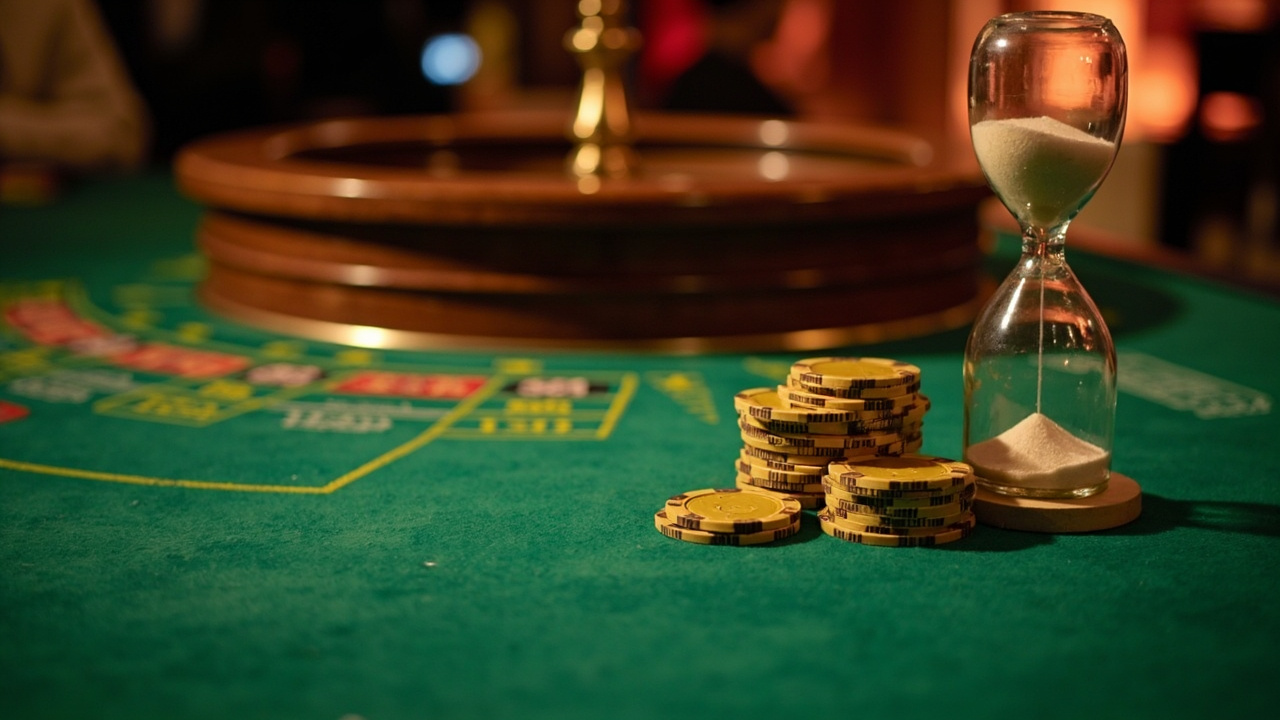
It’s three in the arvo and the monsoon’s holding off over Cairns, which is about as long as most punters stay optimistic at a poker machine. You can almost hear the clatter of coins turning into digital credits, a sound that promises something it rarely delivers. The truth is less cinematic and more arithmetic, and if you’ve ever wondered why your wallet looks thinner after a long session, the answer usually sits in the maths before it sits in your luck.
Why the maths bites first

Every casino game with worst odds has a built-in edge that compounds quietly, like rust on a tin roof you only notice once the paint’s gone. The house edge is the percentage the operator expects to keep over the long run, and it varies wildly depending on which game you’re pressing buttons on. Slots are the usual suspects because their return-to-player figures are set by the machine, not by how well you press them, and that means a 94 per cent RTP still leaves six per cent leaking out of every dollar that cycles through. Table games can be kinder if you know the rules, but the wrong bet on the wrong wheel turns a leisurely arvo into a lesson in subtraction.
The trick is that “worst” isn’t a moral judgment, it’s a label for games where the expected loss per hour climbs faster than your patience. A high-volatility slot might pay out in big, rare clumps, which feels glorious until you realise the dry spells between those clumps are where the edge does its real work. Baccarat looks elegant until you bet the tie, which is one of the priciest wagers you can make because the commission on the house side sits higher than most players bother to check. Roulette’s edge shifts depending on whether you’re playing European or American wheels, and that single extra double-zero pocket is the difference between a manageable grind and a slow bleed.
If you’re weighing up where to spend your time, the lobby itself matters as much as the maths, because a cluttered shelf of high-edge titles can nudge you toward them without you noticing. A well-organised game list with clear RTP labels and provider names makes it easier to skip the traps, and that’s where a platform like goldenbet with top limits earns its keep by keeping the higher-edge clutter out of your blind spots. The point isn’t to turn the casino into a classroom, it’s to know which games are quietly charging you a cover fee before the first spin.
Which casino games with worst odds actually cost you most
Slots and the illusion of near-misses
Slots are the most visible offender because they’re designed to keep your eyes on the screen rather than on the numbers. The reels might show two matching symbols and a third that nearly lands, which feels like a reprieve but is really just a visual nudge with no bearing on the next outcome. The RTP on many popular titles sits in the low-to-mid nineties, and when you add a high volatility profile, the sessions between payouts stretch long enough for the edge to do its arithmetic. A slow spin speed, a bright cascade effect, and a soundtrack that rises in tempo are all there to keep you seated, which is fine if you’ve priced the entertainment in and accepted the cost.
The practical issue is that slots don’t reward skill, so the only real lever you have is bet size and session length, both of which interact with the house edge in a straight line. A smaller bet doesn’t change the RTP, it just stretches the same percentage over more spins, which can feel gentler while costing roughly the same over time. If you’re after a game that lets you influence the outcome, a slot is the wrong tool for the job, and treating it like a puzzle is how a casual session turns into an expensive afternoon.
Side bets, tie wagers, and the expensive corners
Side bets and tie wagers are where the edge often jumps because they pay out less frequently than the main game and carry a steeper commission baked into the odds. In baccarat, the tie bet can look tempting because of the higher payout, but the probability of it landing is low enough that the expected loss per dollar wagered climbs well above the standard banker or player bets. In blackjack, some side bets add a little spectacle for a little cost, and the cost is usually the part that matters once you’ve done the maths. These wagers are entertainment purchases dressed up as strategy, which is fine if you know you’re buying a thrill and not a path to profit.
The common thread is that these bets are easy to place and hard to justify if your goal is to keep the edge as low as possible. They sit in the lobby like shiny extras, and because they’re optional, players often treat them as harmless fun without checking the return figures. A quick glance at the paytable and the house edge can save you from buying a premium seat on a ride that’s tilted in the operator’s favour.
Roulette wheels, keno, and the slow leak
Roulette’s edge depends heavily on the wheel, and the American version’s extra zero is a small detail with a large consequence because it lifts the house edge noticeably compared with the European layout. Keno is another game where the odds can drift into unfavourable territory quickly, since the draw mechanics and paytable structure often leave the operator with a substantial edge that grows as you pick more numbers. Both games can be enjoyable in short bursts, but they’re also the kind of titles where the expected loss per hour can outpace a table game if you’re betting regularly.

The lesson isn’t that these games are forbidden, it’s that they’re priced differently and you should know the price before you sit down. A European wheel, a measured bet size, and a clear stop point make roulette a manageable pastime; the same discipline applied to keno still leaves you facing a steeper edge, which is worth weighing before you commit an arvo to it. If your priority is keeping the maths on your side, the wheel you choose and the numbers you tick off matter more than the vibe in the room.
Who should care, and who can afford the fun
If you’re the sort of player who treats a session like a paid night out, with a budget set before you log in and a limit you’ll actually respect, then the worst odds are mostly a matter of choosing where to spend your entertainment dollars. You can still enjoy a high-edge slot or a tie bet now and then, provided you’ve priced it as a cost rather than a chance. The players who get caught are usually the ones who mistake a flashy lobby for a fair fight, or who extend a session past the point where the edge has already done its work.
For anyone who wants the odds to sit a little closer to neutral, the sensible move is to favour games with a lower house edge, keep side bets as occasional extras, and treat the lobby like a menu rather than a playground. A platform that keeps RTP details visible and organises the catalogue so the pricier traps aren’t hiding in plain sight makes that choice easier, and it’s worth looking for one that does the boring labelling work well. If you’d rather not spend your evening arguing with the maths, pick your games before you pick your seat, and let the rest of the night be what it is.
House edge: the percentage a game is expected to keep over the long run, built into the rules and payouts.
RTP (return to player): the theoretical share of wagered money a game pays back over time, expressed as a percentage.
Volatility: how often and how large a game’s payouts tend to be, which affects session length and bankroll swings.
Side bet: an optional wager alongside the main game, usually with a higher house edge.
Tie bet: a wager on two hands or outcomes finishing equal, commonly carrying a steeper edge in baccarat.